12 April 2025
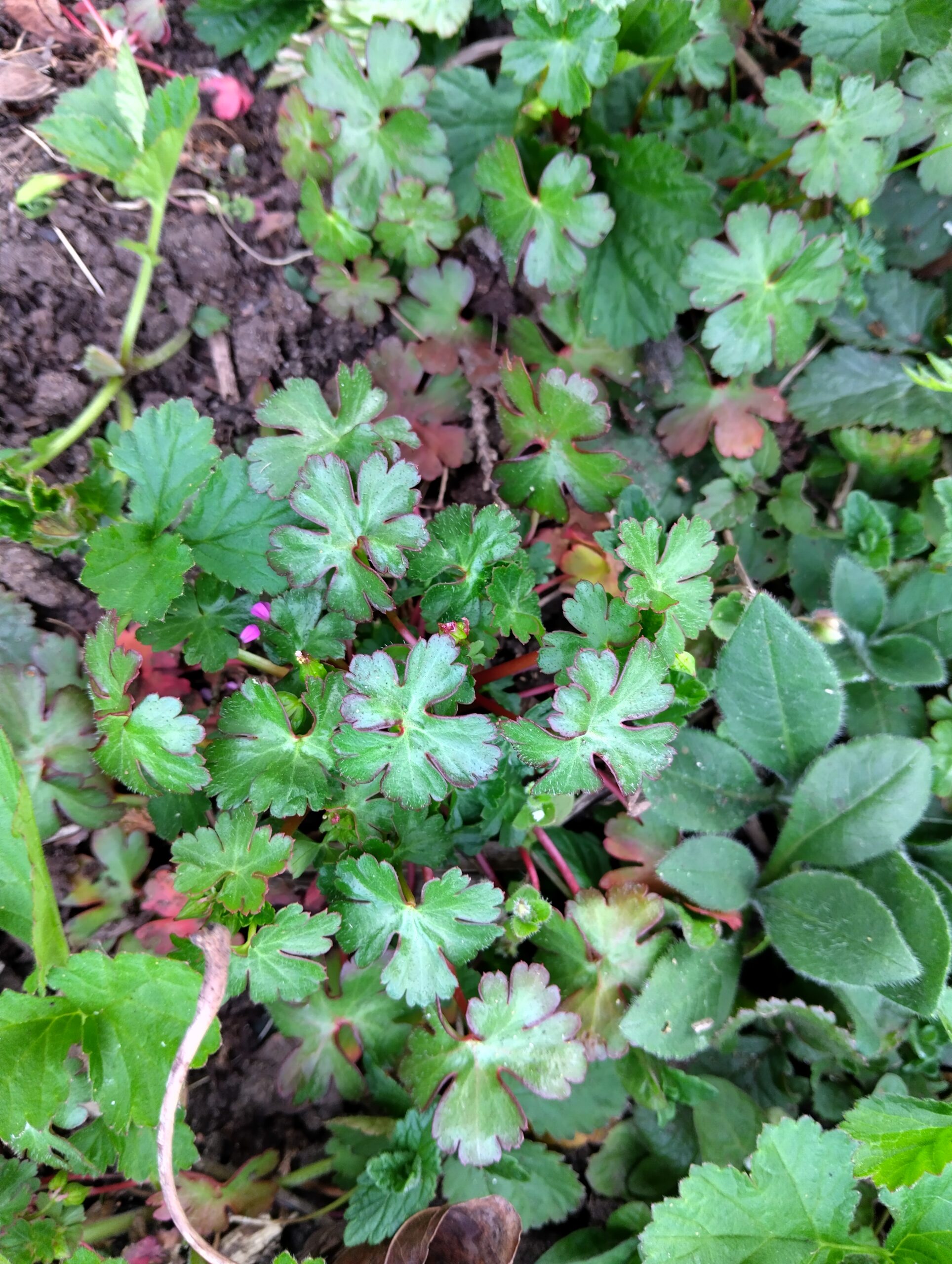
These are the plants we have already for our Plant Sale on April 26 (on the verge between the car park for the Linslade Memorial Gardens, and the Gardens’ hedge).
The plants are generally small-flowered and unshowy, but they do attract bees and other pollinators, and most of them are perennials (that means they’ll go on growing in your garden / window box / other container) for several years.
The ones that aren’t perennial are foxgloves and verbascum, which are biennial – that means they spend the first year making a rosette of leaves, which produces a flower spike (or two) the following year, in about May-June. If you let the seeds ripen you’ll have more than enough to start the whole cycle over again, so although they’re not perennial, if they like where you put them, they should keep going for years.
Garden flowers:
Bearded Iris; Iris pallida; Hardy geraniums – Geranium macrorrhizum, Geranium ‘Kashmir White’, Geranium ‘Cloud Nine’, Blue species geranium; Geranium ‘Bill Wallis’; Purple toadflax (Linaria purpurea); Sisyrinchium; Lambs’ ears (Stachys byzantina); Mullein (Verbascum); Verbena ‘Bampton’; Veronica spicata ‘Red Fox’; White pulmonaria.
You can find details and photos of these plants on the RHS website
Herbs:
Oregano; Golden oregano; Lemon balm; Garden mint;
Wild flowers:
Cowslip; primrose; foxglove; Water avens (Geum rivale); Mush mallow
Others:
Bowles’ Golden Grass (Millium effusum) – we need grasses too in a wildlife bed; some of the solitary and bumble bees nest in grass, and it provides cover for insects and small mammals. This one glows bright green for most of the year, lighting up the flower bed in winter.
Aloe vera – not a bee magnet, not even good for habitat, just an addition as a blatant fund raiser, they’re popular house plants but can be hard to find